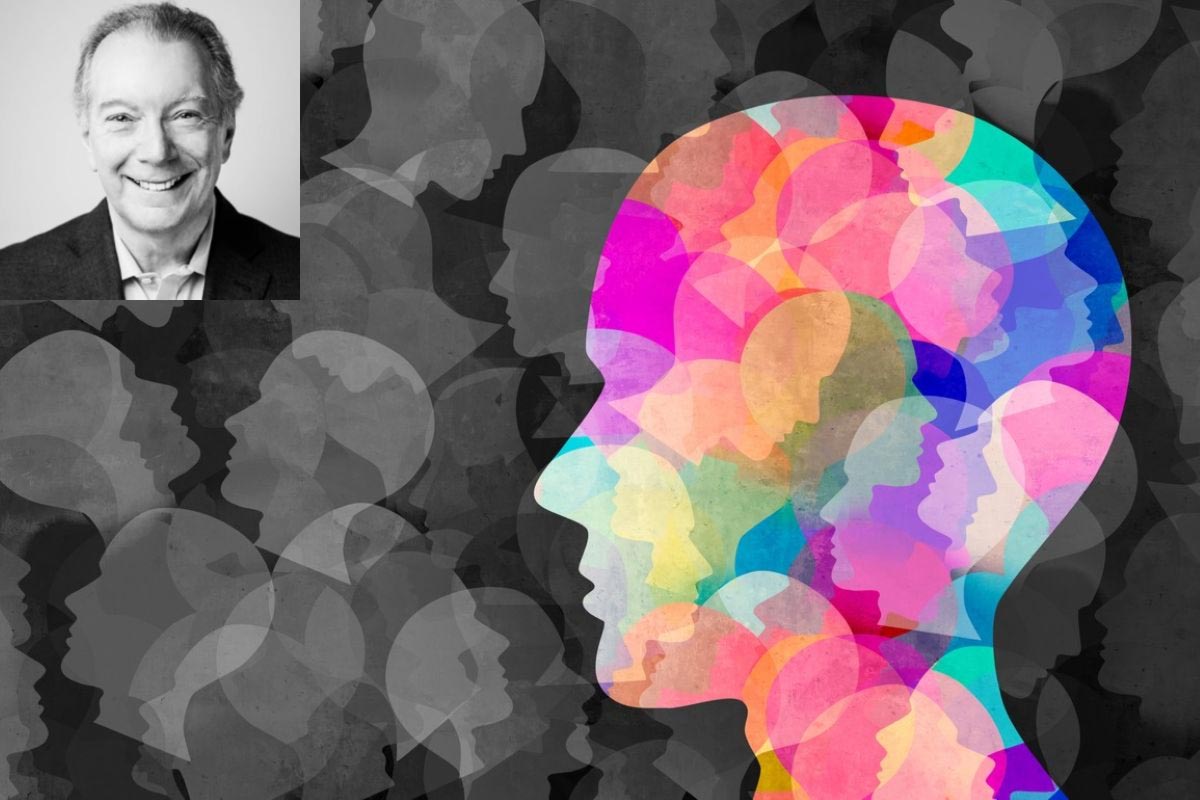
Emotional intelligence is often misunderstood as warmth, empathy or the ability to keep everyone comfortable. In leadership, it is something more exacting. It is the capacity to notice what is happening in and around us, regulate our response, understand the emotional state of others, and act in a way that is deliberate rather than automatic.
As Executive Coach David Gwynne observes, leadership is full of moments that test our emotional range: a tense meeting, a disappointed team member, a difficult piece of feedback, a stakeholder who resists, a decision that lands badly, or a conversation that requires more courage than we would like. In those moments, the emotional brain often moves faster than the thinking brain. We react before we have fully understood what has been triggered.
Emotional intelligence gives leaders a way back to choice.
EI begins with self-awareness. This is not simply knowing that we are frustrated, anxious, impatient or defensive. It is understanding what sits beneath those reactions: the trigger, the thought, the physical response, the urge, the story we have started to tell ourselves. A leader who can name what is happening internally is less likely to be governed by it.
From there comes self-regulation. This is the ability to pause, reflect and choose a response that is aligned with the leader we intend to be. Sometimes that means breathing before speaking. Sometimes it means challenging the thought that has taken hold. Sometimes it means waiting before sending the email, seeking feedback, or asking a better question rather than defending a fixed position.
The work then moves outward. Leaders with strong emotional intelligence are not only aware of themselves; they are alert to others. They read the room. They listen deeply. They look for evidence rather than assumption. They make the effort to understand another person’s perspective.
This is where empathy becomes useful. Not sympathy, and not agreement, but the ability to understand what another person may be experiencing so that the next move is better judged. A leader who can ‘walk in the shoes of others’ is more likely to build trust, reduce unnecessary friction and make decisions that take the human system into account.
The most effective leaders go one step further. They help others regulate. Through the way they provide feedback, present information, share perspective, role model behaviour and hold difficult conversations, they influence the emotional climate around them. They do not absorb everyone else’s emotion, nor do they avoid discomfort. They create enough steadiness for people to think, contribute and move forward.
This is why emotional intelligence is so closely tied to performance. It improves communication, strengthens relationships, reduces reactivity and supports better decision-making. It helps leaders move from impulse to intention.
Great leaders have an acute and accurate sense of self. They are deliberate in how they show up. They think carefully about others. And they understand that leadership is never just about what they know, but about what they make possible in the people around them.
David Gwynne, Executive Coach, ECI Partners
To connect with us about executive coaching please contact us here.